Earlier this month, deep within Russian territory, 117 drones — each costing just a few thousand dollars — launched a coordinated strike that reportedly destroyed nearly 30 percent of Russia’s strategic long-range bomber fleet — inflicting $7 billion in damage, according to Ukrainian estimates. While drones have existed for decades, their rapid evolution and impact on modern warfare is staggering. This event is a stark reminder that even global superpowers can be blindsided when they underestimate the pace of change.
Hurtling forward, eyes shut?
AI fatigue is real. So is the human instinct to bury our heads in the sand when faced with deep uncertainty and disruption. A recent Goodwin survey found that 70 percent of private equity firms report minimal or no use of AI (1). Another study from McKinsey notes that only 23 percent of large enterprises have embedded AI into multiple business units (2). But avoidance is not a strategy — the train is coming, and the real differentiator will be the ability to act with intent.
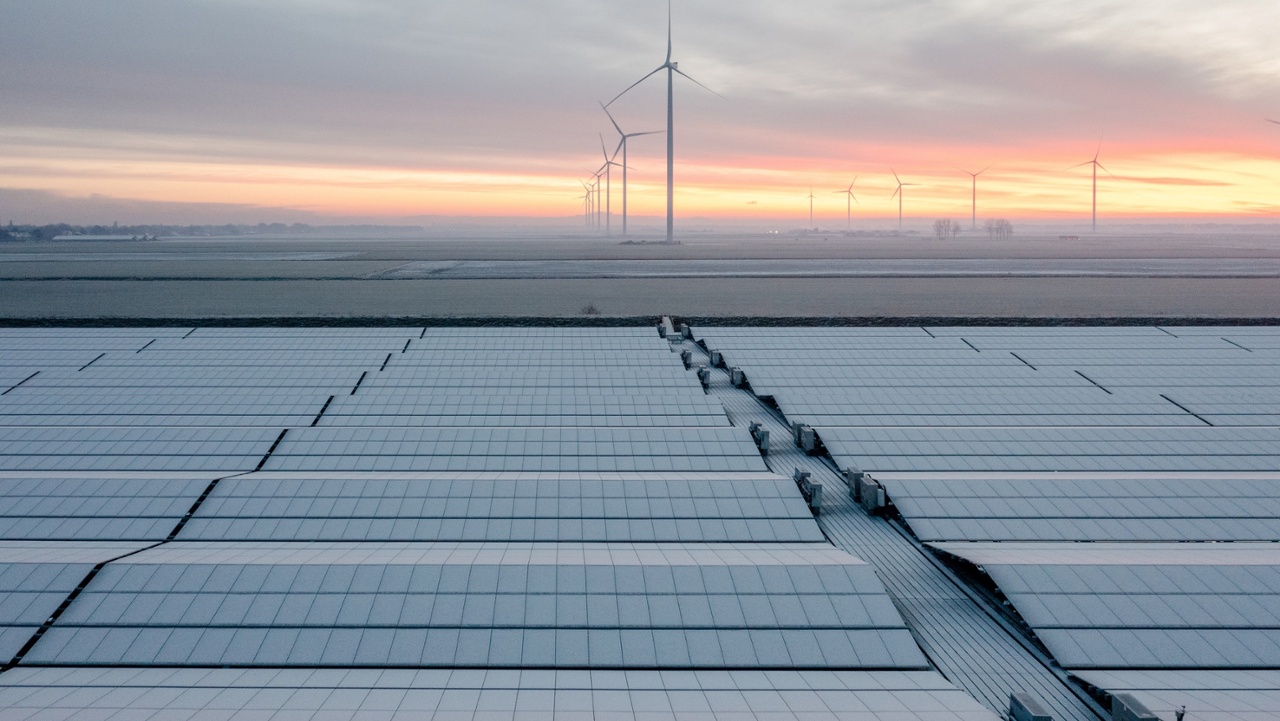
The scale and speed of transformation are hard to overstate. In 2024, global data generation surged 27 percent, reaching 181 zettabytes (3). Global data centre capacity demand is projected to grow 167 percent from 2025–2030, with AI workloads driving the vast bulk of that growth (4). Simultaneously, global energy generation is expected to rise by more than 11 percent in just three years, requiring more than $300 billion in investment just to reinforce power transmission networks (5).
Where to look for value
For infrastructure investors, opportunity lies in identifying structurally advantaged positions — those that offer both downside protection and potential for outsized returns. Three areas stand out:
1. Adapt and thrive
Technological change is outpacing organisational adaptation, widening the gap between early adopters and laggards. This is true across sectors — and especially true for infrastructure. AI isn’t just a tool; it’s becoming an operating layer. Proactively modernising infrastructure through AI can reduce costs, enhance uptime and mitigate operational risk.
The biggest winners of the internet era — Apple and Google — succeeded by mastering the interface and the consumer experience. Amazon won by solving a brutally hard physical problem: logistics at scale. In the AI era, the spoils will go to those who act early, augment wisely and automate strategically.
2. Digital picks and shovels
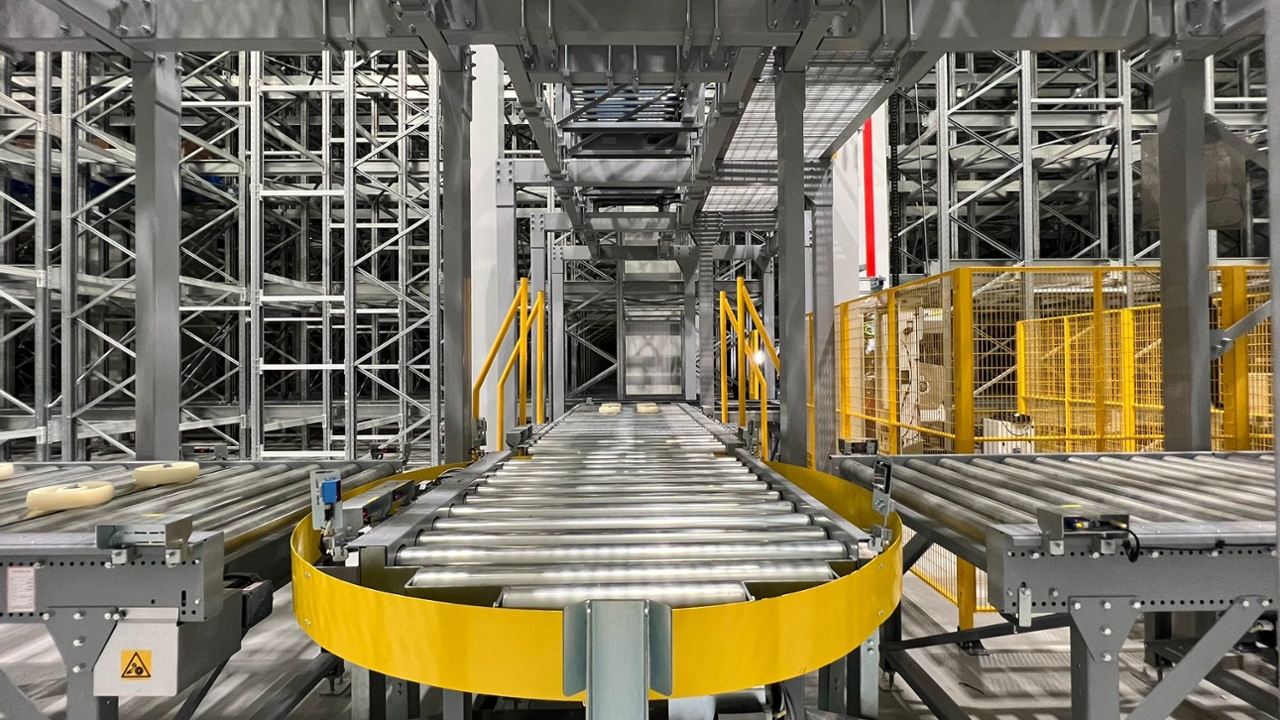
Transforming the physical world is slow, messy and resource- intensive. Power and land constraints continue to choke expansion across critical areas — fibre networks, hyperscale data centres and sustainable energy infrastructure. The players who can deploy rapidly, at scale, and across complex environments will be the ones who unlock value. Execution speed is becoming a core differentiator.
3. Interfaces and ecosystems
Imagine a near future in which your digital life is accessed entirely through a single, unified voice interface — a personalised AI housed in new form factors like AR glasses, earbuds or even robotic assistants. In such a world, control over the interface layer is key — whoever owns that voice owns the customer.
This shift will fragment and then reassemble digital ecosystems. Infrastructure players can participate by focusing on the physical layers of that transformation: the sensors, robots, fleets and facilities that enable agentic AI to act in the world. Transport and logistics businesses may become the front lines of this change.
The rising appeal of infrastructure
In this era of constant reinvention, infrastructure stands out. It offers something many sectors now lack: stability, barriers to entry, and resilience to technological noise. Infrastructure continues to provide essential services with durable demand — water, energy, connectivity, transport — protected by regulation and network effects.
But its role is expanding. Infrastructure is no longer just about hard assets. It’s increasingly about the software, systems and intelligence embedded within those assets. The opportunity is to back the enablers of a rapidly digitising economy — not just the foundations, but the frameworks that allow societies to function amid exponential change.
Creating societal transformation
This digital opportunity comes at a time of growing fiscal strain, aging populations, unstable regulatory frameworks, and rising geopolitical risk. Navigating it requires strategic clarity and global perspective. But the potential rewards are substantial.
The challenges that infrastructure investors embrace each day create the long-term transformations that address society’s most pressing challenges. Investors who embrace change, act with foresight, and build enduring positions in critical infrastructure will not just survive — they will lead.
In the Age of Intelligence, wisdom is the new edge.
Lewis Bailey is the Head of Strategy and leads Morrison’s strategy and research efforts where he focuses on investment strategy, client portfolio management and evaluation of new investment opportunities linked to our purpose, to invest in the ideas that matter.
This article was published in the July/August 2025 issue of i3 Institutional Investing in Infrastructure. The report can be accessed under ' Morrison Sponsor Report July/August 2025 i3' here.