At our home base in New York City, Morrison partnered with WIN – The Women’s Infrastructure Network – to host a dynamic discussion on how infrastructure is evolving as an asset class.
Held at Manhattan’s iconic Rockefeller Center, the panel explored the future of infrastructure investing: how long-term value, resilience, and societal impact are being redefined across sectors.
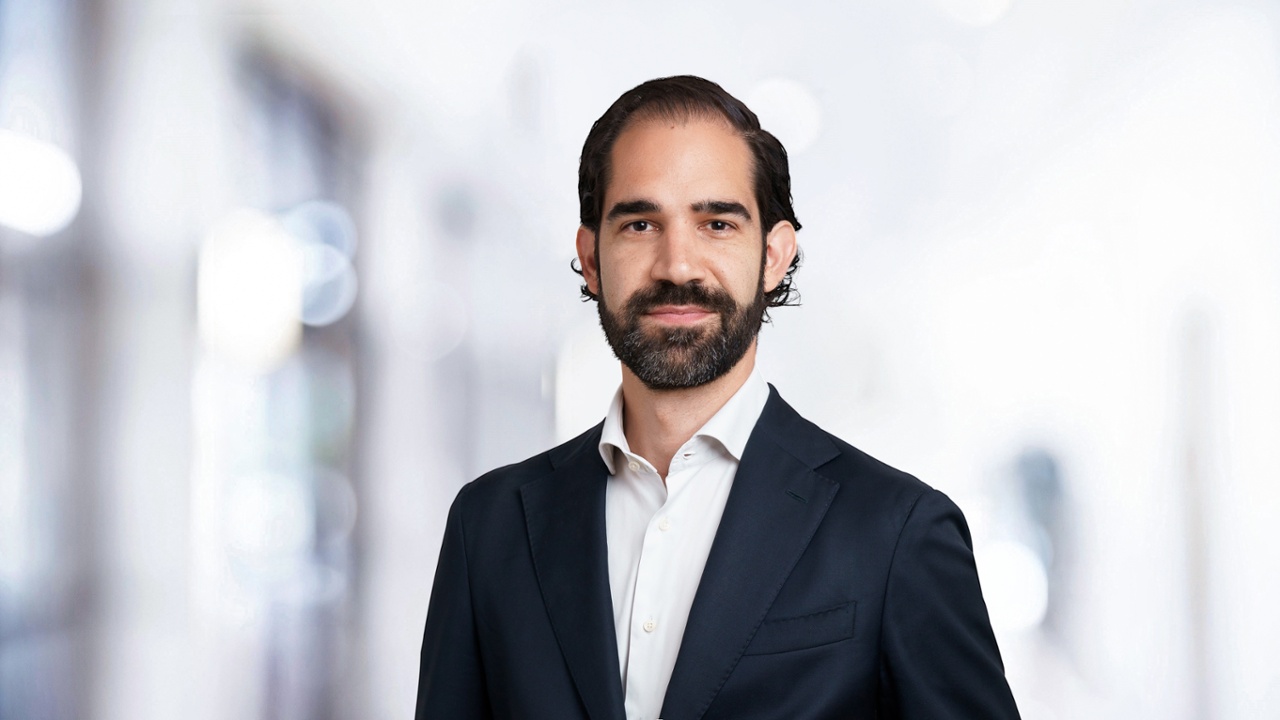
We’re delighted to share perspectives from two Morrison leaders who participated: Rachel Drew, Partner and Head of Asset Management, and Geraldine Buckingham, Board Director at Morrison, HSBC, and Brunswick Group. Both are among the most experienced women in global infrastructure investing and offer a playbook for building assets that last.
This event was conducted under Chatham House Rules; the insights shared here have been approved by the panellists.
What do you see as the biggest driver of infrastructure’s evolution as an asset class?
Rachel: The fundamentals haven’t changed; real assets delivering stable, inflation-protected returns remain core. What’s different is the urgency to solve systemic challenges like energy security. These forces have expanded the definition of infrastructure and accelerated demand for assets that enable societal transformation.
Geraldine: Infrastructure is no longer just about roads and bridges. It’s about connectivity, sustainability, and resilience. The convergence of technology and climate imperatives is reshaping priorities for investors globally.
How do regional differences shape infrastructure opportunities, especially in emerging versus developed markets?
Geraldine: Emerging markets often leapfrog traditional models, adopting digital and renewable solutions faster because they’re building from scratch. Developed markets, meanwhile, focus on upgrading legacy systems and embedding resilience. Both present opportunities but the risk profiles and regulatory landscapes differ significantly.
What are the biggest levers for creating long-term value in portfolio assets?
Rachel: People are the ultimate value lever. Governance starts with appointing seasoned executives who bring operational experience and industry scars. Beyond that, every asset has unique challenges and opportunities. Our role is to support management teams with clarity, tools, and processes to protect and grow value, especially in areas like sustainability.
Deal origination often gets the spotlight, but so much value is created post-close. How can the industry improve here?
Rachel: This is where the rubber meets the road. Translating a great plan into real outcomes is hard. We invest heavily in the transition phase, between signing and close, to set up for success from day one. Then it’s about playing the long game: staying focused on value levers, anticipating volatility, and pivoting when needed. Our quarterly asset reviews are critical as they challenge assumptions and keep us curious.
As a board director, how should leadership guide long-term strategy in such a fast-changing sector?
Geraldine: Boards must balance conviction with adaptability. The pace of change in AI, the energy transition, and geopolitical shifts, requires disciplined decision-making and a willingness to challenge norms. Leadership goes well beyond approving investments, it is about shaping culture and ensuring resilience.
If you could change one industry norm to increase female representation in investment decision-making, what would it be?
Geraldine: Stop treating diversity as a ‘nice to have.’ Tie it to performance metrics and accountability. When leadership teams are diverse, decision-making improves. Done well, it’s a competitive advantage.
Sustainability is now central to infrastructure investing. Is momentum holding, or becoming more selective?
Rachel: At Morrison, sustainability has always been part of how we invest. It’s embedded in our approach and has guided our decisions for years. What we’re seeing now is the market catching up: momentum isn’t slowing, it’s becoming more disciplined. Investors expect measurable outcomes, and that aligns perfectly with the way we’ve always operated.
Your advice for the next decade of infrastructure investing?
Rachel: Embrace uncertainty and build for adaptability. The risk-return equation will continue to shift as markets, technologies, and societal priorities evolve. Success will come from resilience and flexibility, not rigid strategies.
Infrastructure investors need to anticipate volatility, integrate scenario planning, and design assets that can pivot as conditions change. That means embedding governance, sustainability, and digital capability at the heart of the strategy as fundamental drivers of long-term value
The companies that thrive will be those that combine operational excellence with a forward-looking mindset.
Geraldine: Infrastructure is expanding both in the asset set we invest in and in how we define success. The next decade will demand leadership, stewardship, and a commitment to building assets that endure in a world of complexity.
Success won’t be measured solely by financial returns. It will be defined by resilience, adaptability, and the ability to create long-term societal value. Investors must embrace uncertainty, anticipate disruption, and lead with conviction.
At Morrison, that’s our mission: shaping the future, one investment at a time. We believe infrastructure as an asset class is a force for good. The challenge and opportunity ahead is to invest wisely, govern responsibly, and build platforms that thrive amid change.